
logo

Save Our Treasured Rivers

What's New

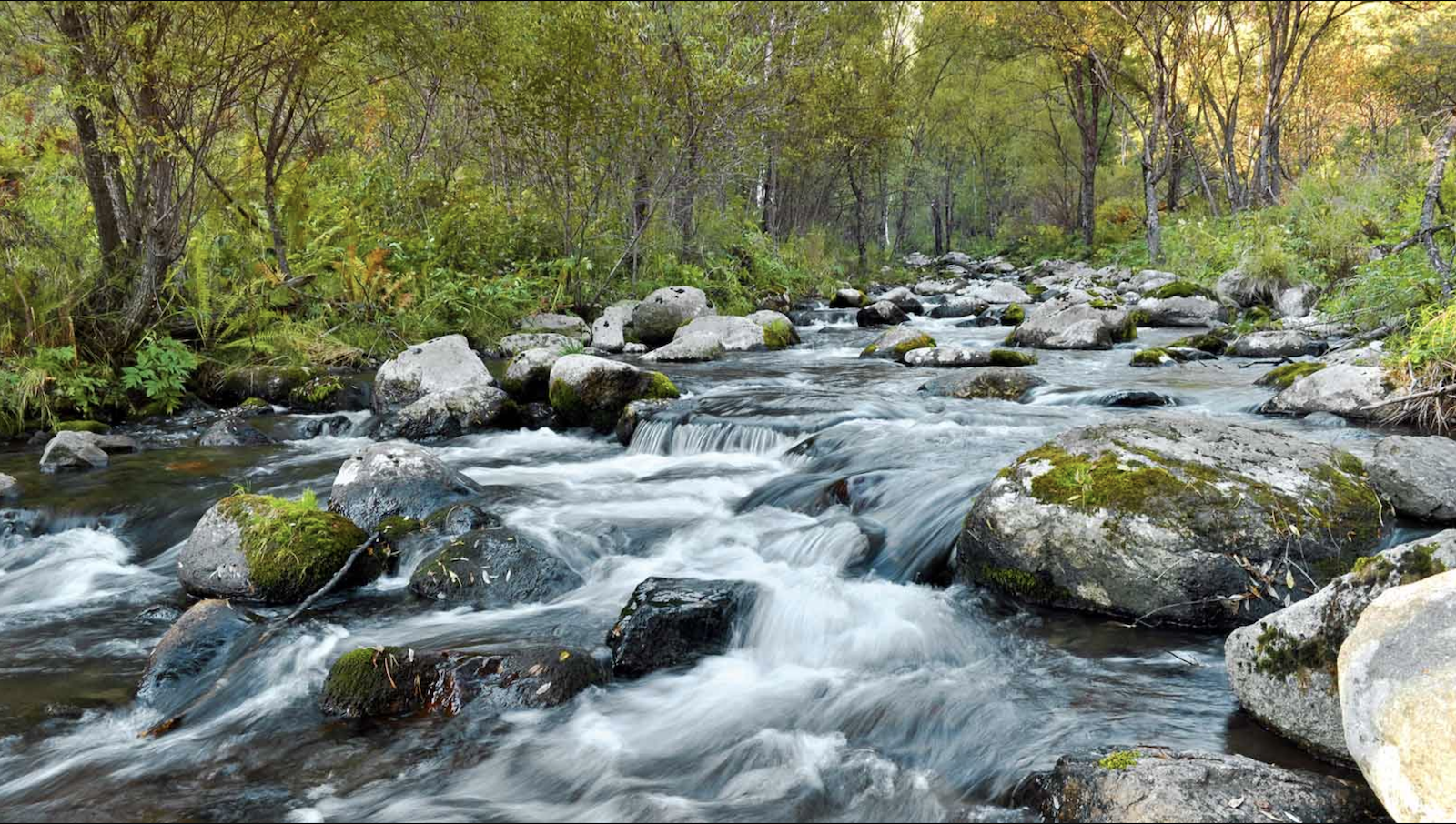
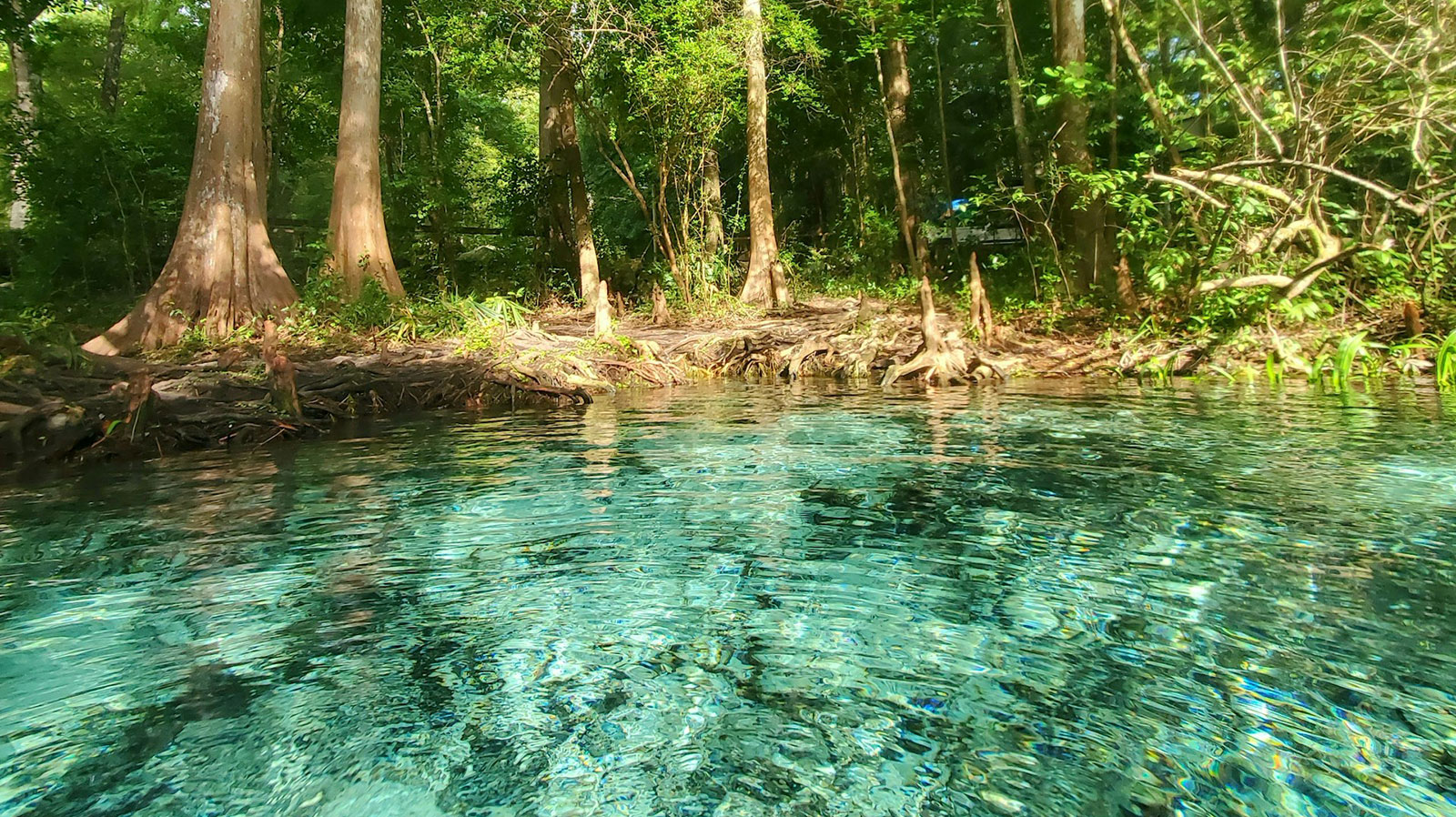
From rushing rapids to meandering streams, Georgia’s rivers are among the state’s most beloved places. Our rivers serve as sources of clean drinking water and popular sites for fishing, camping and hiking.

Environment Georgia is working to protect the headwaters of some of our most breathtaking rivers, such as the Conasauga, Jacks and Chattahoochee Rivers. We kicked off our work on June 29th when we petitioned the Environmental Protection Division for an Outstanding National Resource Water designation along the headwaters of the Conasauga River. The designation protects rivers from both point and non-point sources of pollution. Read a copy of our press release and petition here.

How You Can Help

Send an e-mail to the Board of Natural Resources telling them why these rivers are important to you and urging them to provide extra protection from pollution.

Brief Summary

From rushing rapids to meandering streams, Georgia’s last great rivers are among the state’s most beloved places. They serve as sources of clean drinking water, popular sites for fishing, camping and hiking, and home to a rich diversity of aquatic species.

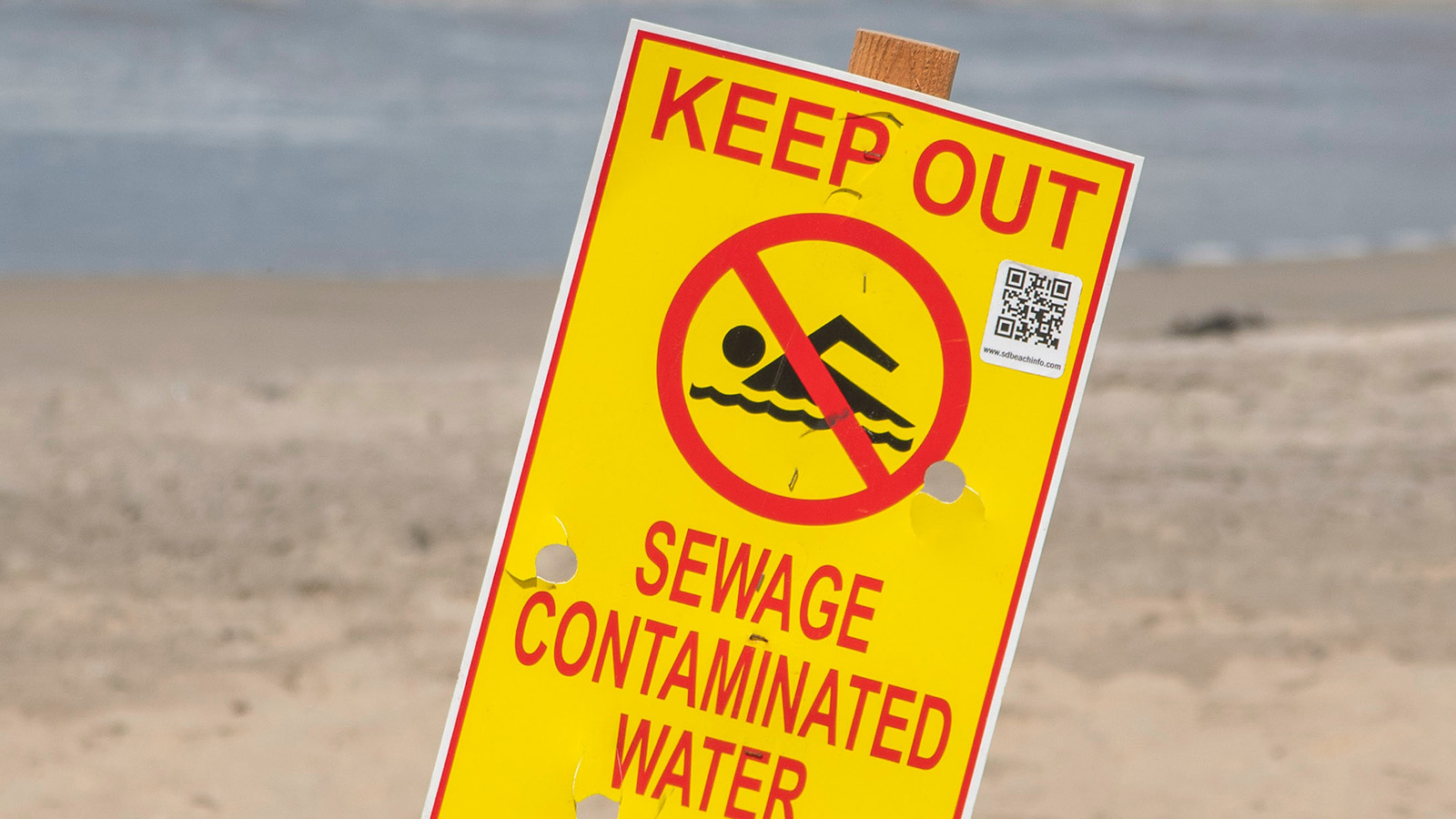
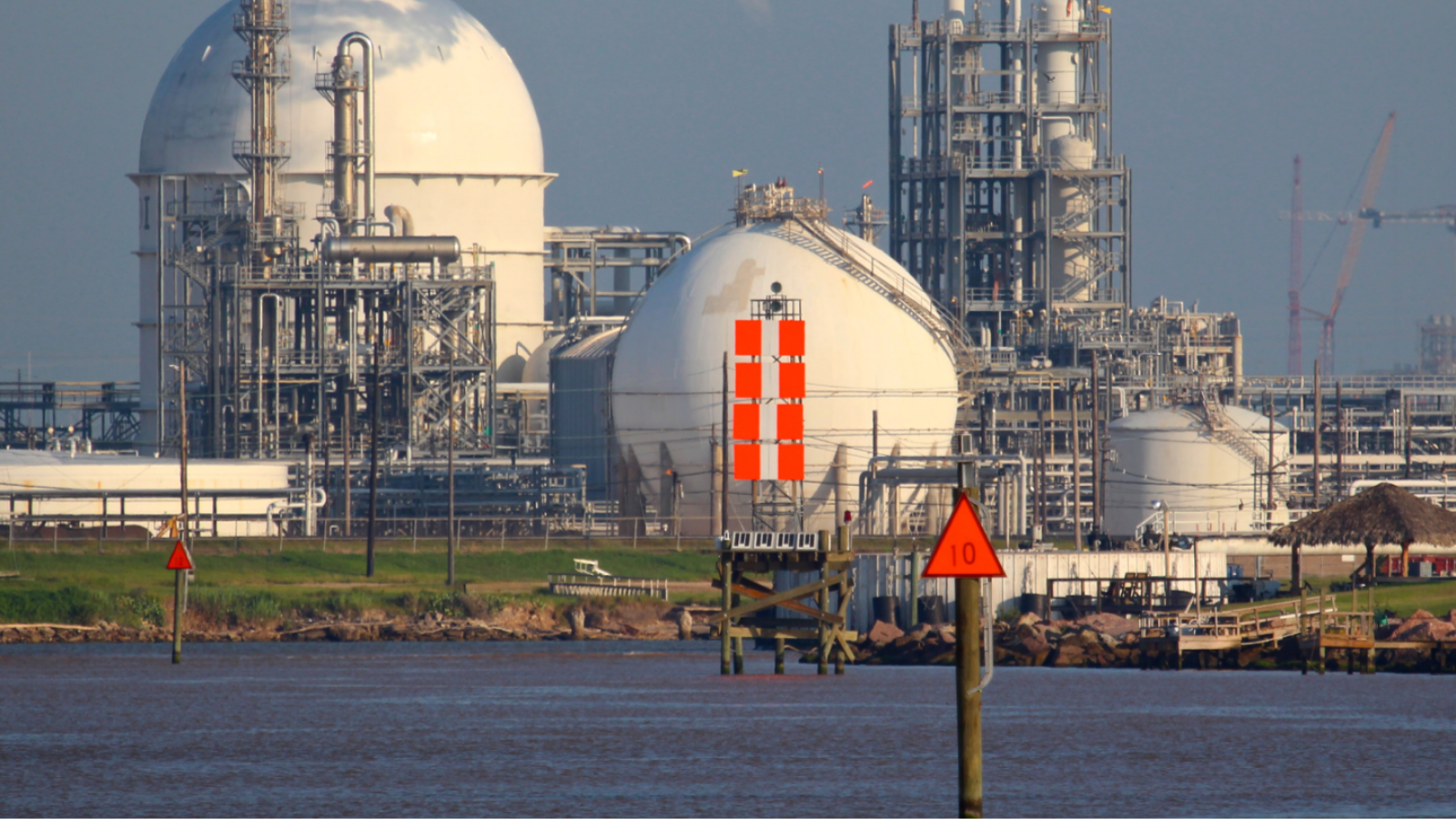
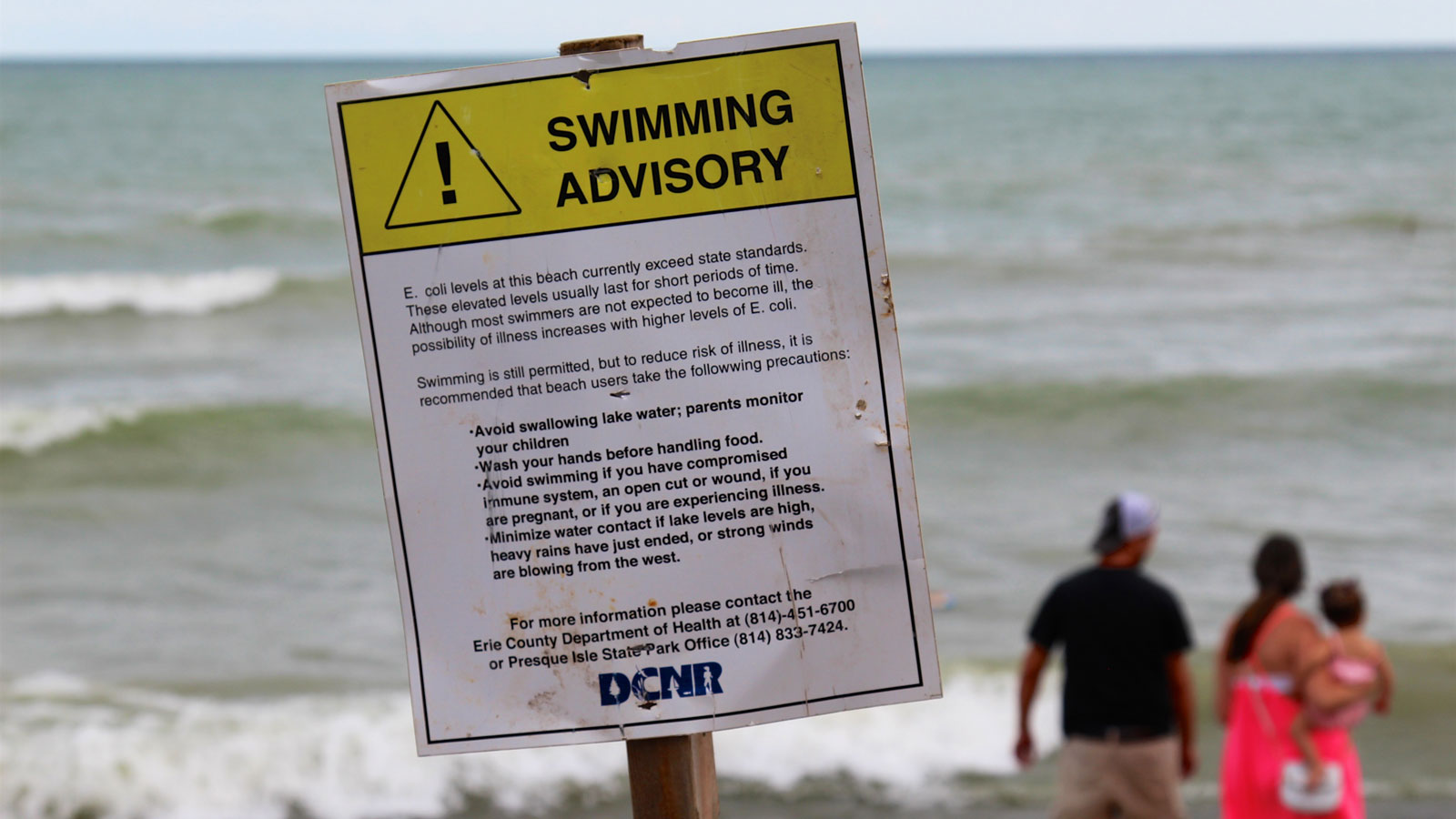
But dirt, oil and runoff pollution from the rampant development of new homes and roads has put even the most pristine of these waters at risk.

Fortunately, Georgia has strong laws on the books that allow government officials to preserve and protect unspoiled waters.

The Conasauga is the 4th most biologically diverse river in the nation, 8 species of fish that are found nowhere else in the world. 

This amazing river is a candidate for state and national protection as an Outstanding National Resource Water (ONRW).

The Conasauga is a perfect candidate for Georgia’s first Outstanding designation. This is the highest level of protection available to water bodies in the Clean Water Act and has been used by every other state in the Southeast, except for Mississippi. 

What is an Outstanding River?

The ONRW designation is found in the Clean Water Act, which requires states to give their waterways three tiers of protections. The third Tier gives citizens the power to help protect our rivers, lakes, streams and waterways by petitioning to place high quality waters off-limits to pollution. 

A river can be nominated as an ONRW if it fits the following requirements: 

1. Special water quality that is a wild and scenic river;

2. Existing pristine or naturally- occurring water quality;

3. Ecological value such as the presence of threatened or endangered species; and 

4. Exceptional or aesthetic value such as an outstanding recreational fishery.

By writing to the Department of Natural Resources, the public can nominate the Conasauga as an Outstanding river to preserve its natural beauty and pristine waters for all to enjoy.

History 

Cherokee Indians lived along the Conasauga and used its resources for thousands of years until 1838 when they were removed by the American government and sent west on the Trail of Tears. 

Beginning in the 1900s, major changes to the land occurred with large-scale timber harvesting along the river. In sections downstream from the proposed Outstanding designation, the river’s water is heavily used by the local carpet industry, and local residents rely on the Conasauga for their drinking water.

The Conasauga River travels through two states and covers more than 500,000 acres. The headwaters are located within the Cohutta Wilderness Area in the Chattahoochee National Forest of northwest Georgia. The river continues north thirteen miles before briefly crossing into southeast Tennessee, then flowing east for thirteen miles and returning back southward into Georgia for another sixty-two miles.

Biological Diversity

The Conasauga River is a Georgia treasure, with its high scenic, ecologic and recreational opportunities. The Conasauga River is one of the six most biologically diverse river systems in the entire United States. The river is home to more than ninety fish species, crayfish and twenty-five different species of freshwater mussels. Twelve of the fish and mussels species are protected by federal endangered or threatened species status. 

The river “ranks fourth in the nation for the number of federally threatened and endangered species in a single watershed.” Eight different kinds of fish including the amber darter, blue shiner, freckle-belly madtom, and the Conasauga logperch, are native only to the Conasauga River and found no where else in the world.

Recreation

A network of  scenic trails lead to the Conasauga River. The main trail to hike along the headwaters is the Conasauga River Trail, which gives hikers access to  shallow pools perfect for cooling off or fishing.

The headwaters are classified as a primary trout stream by the Georgia Wildlife Resources Division and the North Georgia Fishing Round-up reports that the river boasts “excellent fishing for rainbow trout, brown trout and Georgia’s only truly native trout species, the diminutive “brook trout” and is “considered by those in-the-know to be one of the top 100 trout streams in the nation.” 

Just beyond the designation, a freshwater snorkeling hole provides an opportunity for enthusiasts of all ages to explore the river with a snorkel and a mask and get a closer look at the variety of native fish species. 

Next Steps

The headwaters of the Conasauga River clearly meet the criteria and deserve to be Georgia’s first Outstanding National Resource Water. It is our job to respect and to protect the river for the present as well as for the future generations of people and wildlife. 

By nominating the headwaters of the Conasauga River for ONRW protections, Environment Georgia is working to ensure the safety of this river. 


We're calling on our officials to use these laws to extend immediate protections to priority rivers, including the headwaters of the Conasauga, Jacks and Chattahoochee rivers. And we're calling on the state to preserve at least another 10 more of our top unspoiled rivers by 2010. 


Take a moment today to write the Board of the Department of Natural Resources asking for their support of an Outstanding designation along the headwaters of the Conasauga River. More.


Background

Fact Sheet